Learn math

Need a word explained? Math glossary

All lessons

27 lessons

Integers

Build on whole-number facts with useful addition, subtraction, multiplication and division strategies.

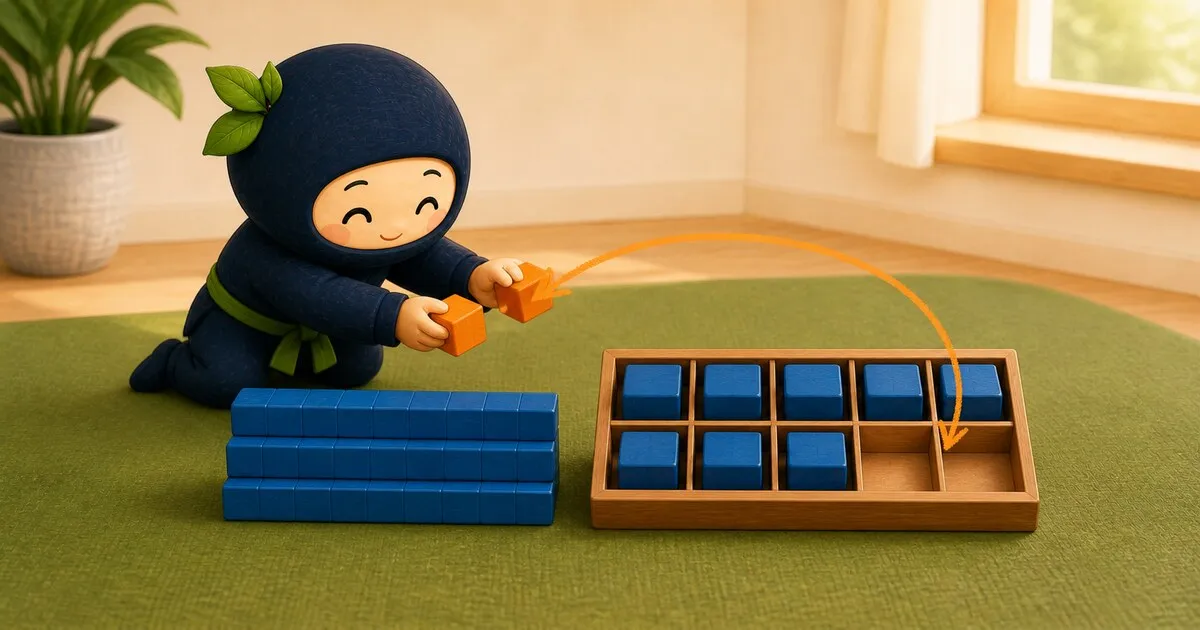
  1. Lesson 1 Add numbers faster with the make 10 strategy A simple way to solve additions such as 8 + 7 without counting one number at a time. Not started
  2. Lesson 2 Solve tricky calculations by rounding to an easier number Numbers such as 18, 29, 39, and 98 are close to round numbers. That makes them easier to work with than they may first appear. Not started
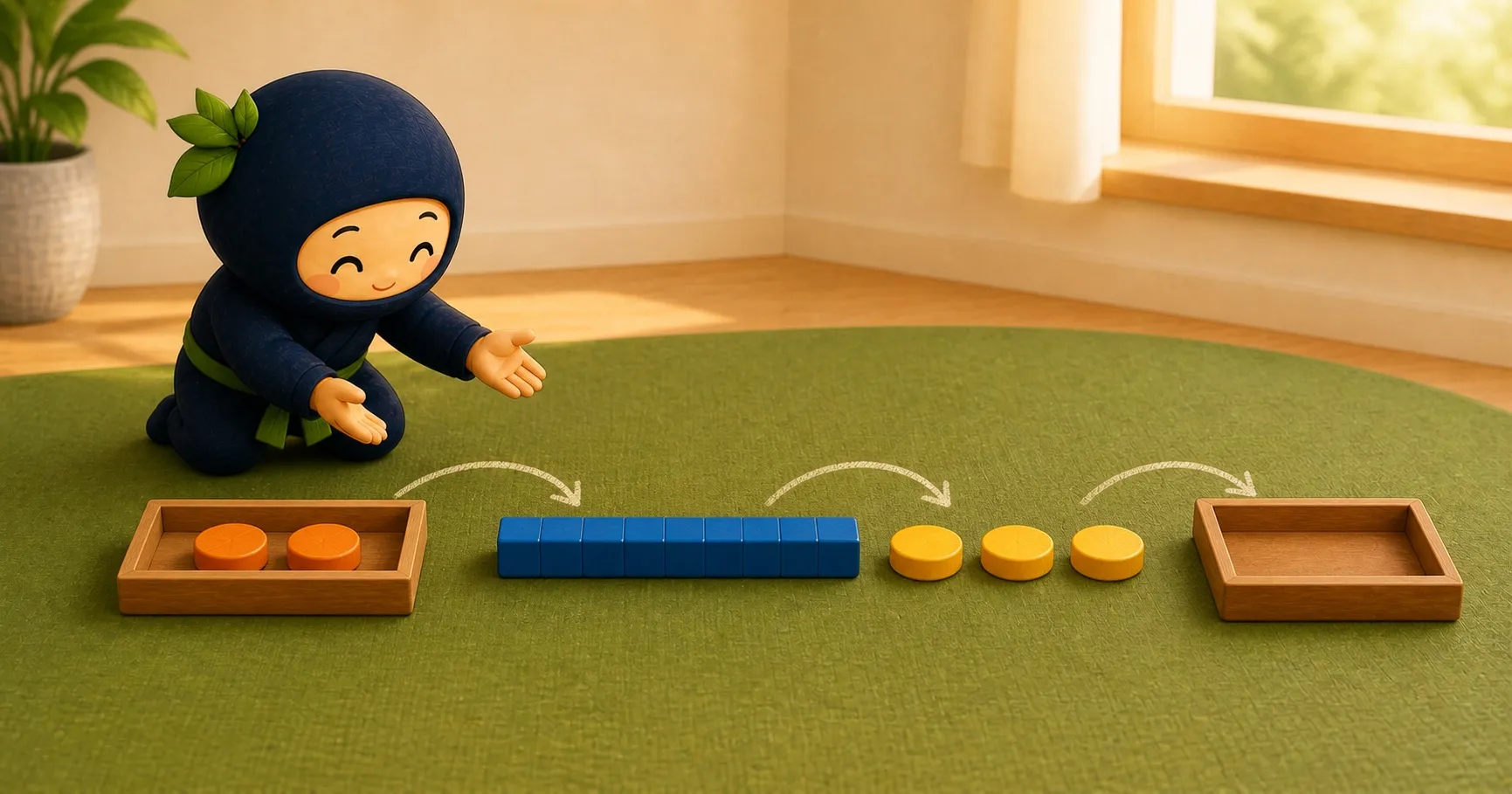
  3. Lesson 3 Make subtraction easier by counting up Instead of counting backwards, start at the smaller number and move forward to the larger one. The jumps between them give you the answer. Not started
  4. Lesson 4 Turn difficult multiplications into easier ones Halve one number and double the other. The numbers change, but the answer stays the same. Not started
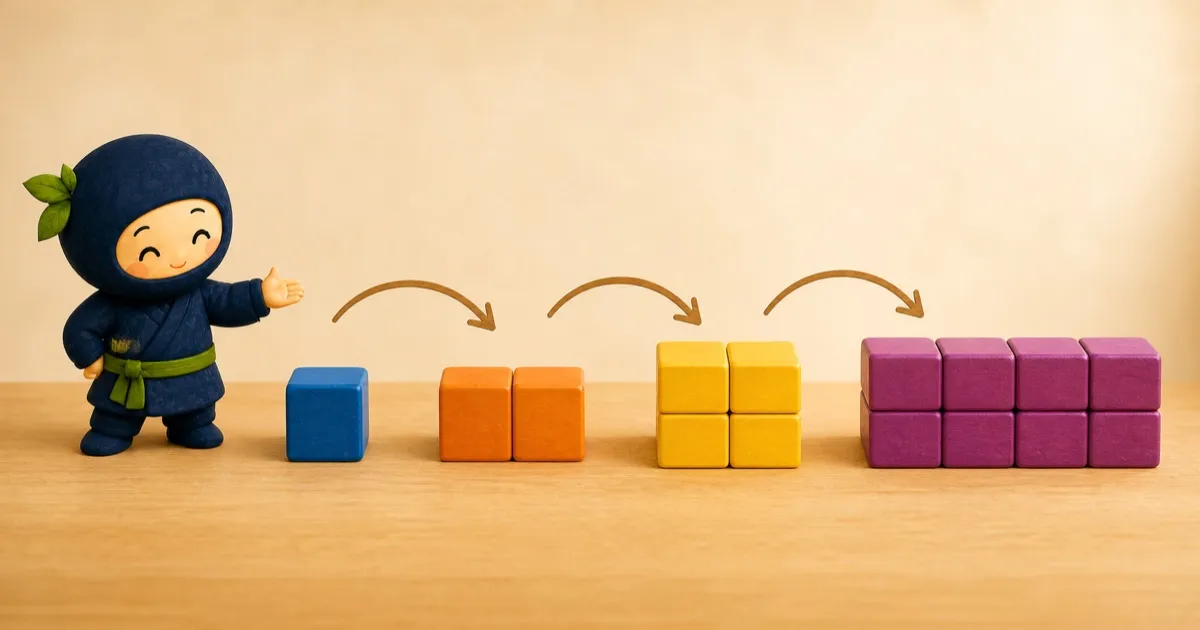
  5. Lesson 5 Solve the 4 and 8 times tables by doubling Double a number twice to multiply it by 4. Double it three times to multiply it by 8. Not started
  6. Lesson 6 Use the 10 times table to solve the 9 times table Multiply by 10, then subtract one group of the number you are multiplying. Not started
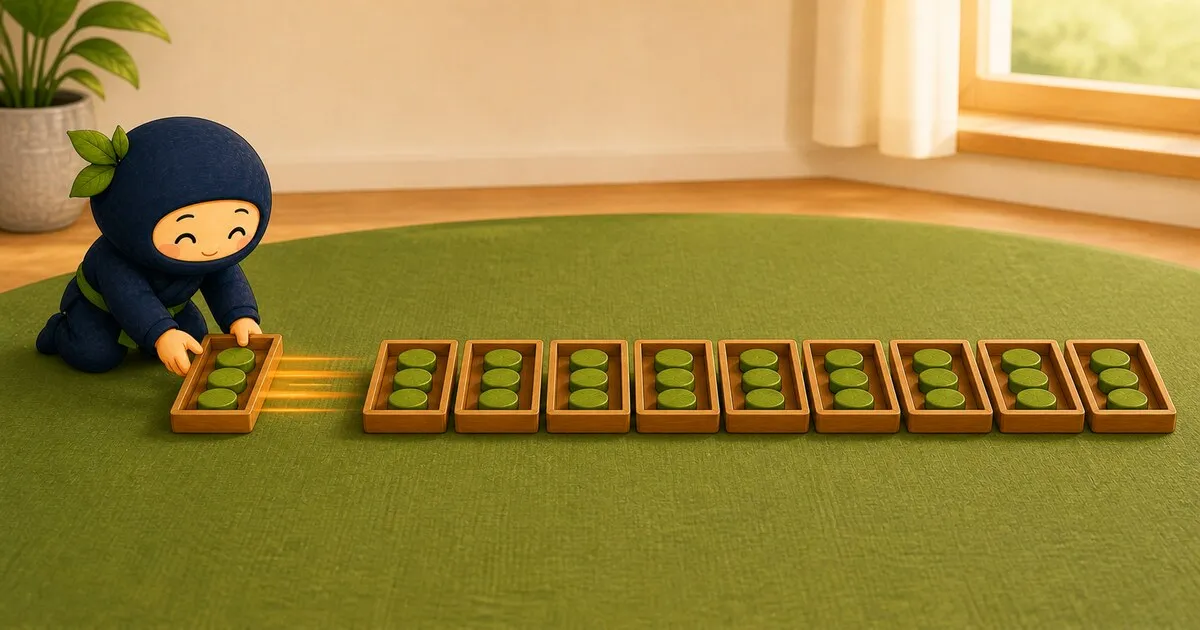
  7. Lesson 7 Solve larger exact divisions by splitting them into easy parts Turn one difficult division into two smaller calculations you can solve in your head. Not started

Fractions

Recognise equal amounts, cancel factors and calculate with useful pieces.

  1. Lesson 1 Equivalent fractions name the same amount Equivalent fractions name the same amount. Change the piece size and piece count together to keep that amount fixed. Not started
  2. Lesson 2 How to multiply fractions Multiply the top numbers together, then the bottom numbers. For example, 1/2 × 3/4 = 3/8. Not started
  3. Lesson 3 Add and subtract fractions with equal-sized pieces Add or subtract fractions by giving their pieces one shared size. Then count the pieces you gain or lose. Not started
  4. Lesson 4 Divide fractions by multiplying by the reciprocal Dividing fractions counts how many portions fit. Turning over the second fraction gives a quick way to do that count. Not started

Decimals

Add, multiply and divide decimals using place value and familiar number facts.

  1. Lesson 1 Add and subtract decimals by place value Keep wholes, tenths and hundredths in their own places. Extra zeros can help you see those places without changing a value. Not started
  2. Lesson 2 Multiply decimals using whole-number facts Use a whole-number fact, then account for the size of each decimal. A quick size check helps catch a misplaced point. Not started
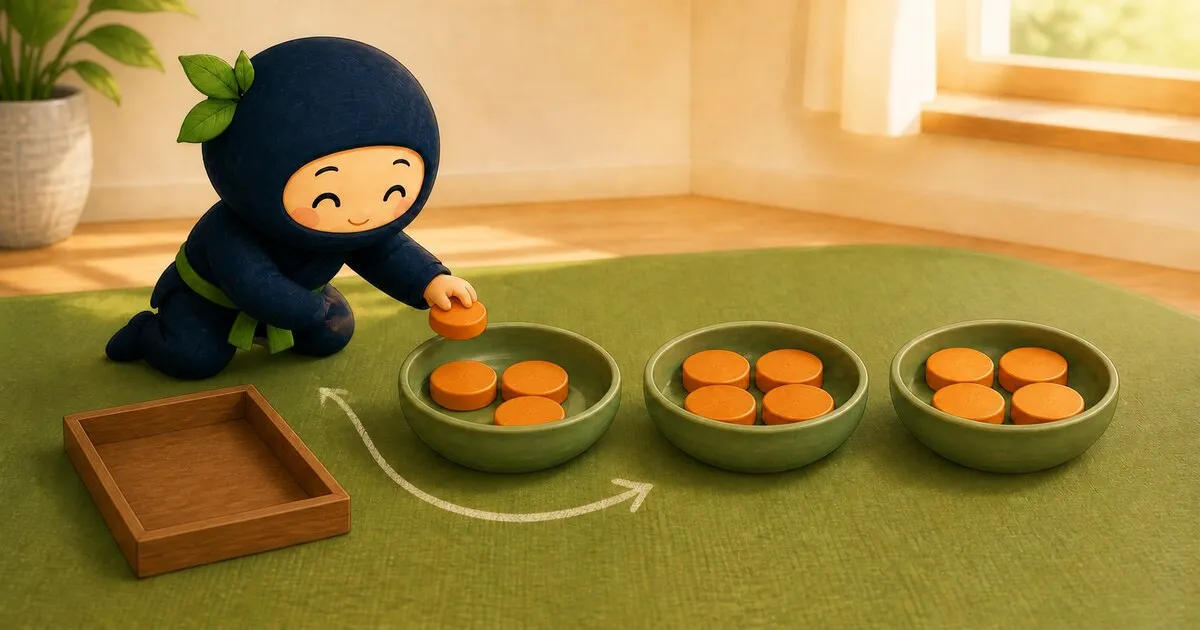
  3. Lesson 3 Divide decimals by scaling both numbers Change the unit for both numbers together. The group count stays fixed while the division becomes easier. Not started

Algebra

Find missing numbers by keeping both sides equal.

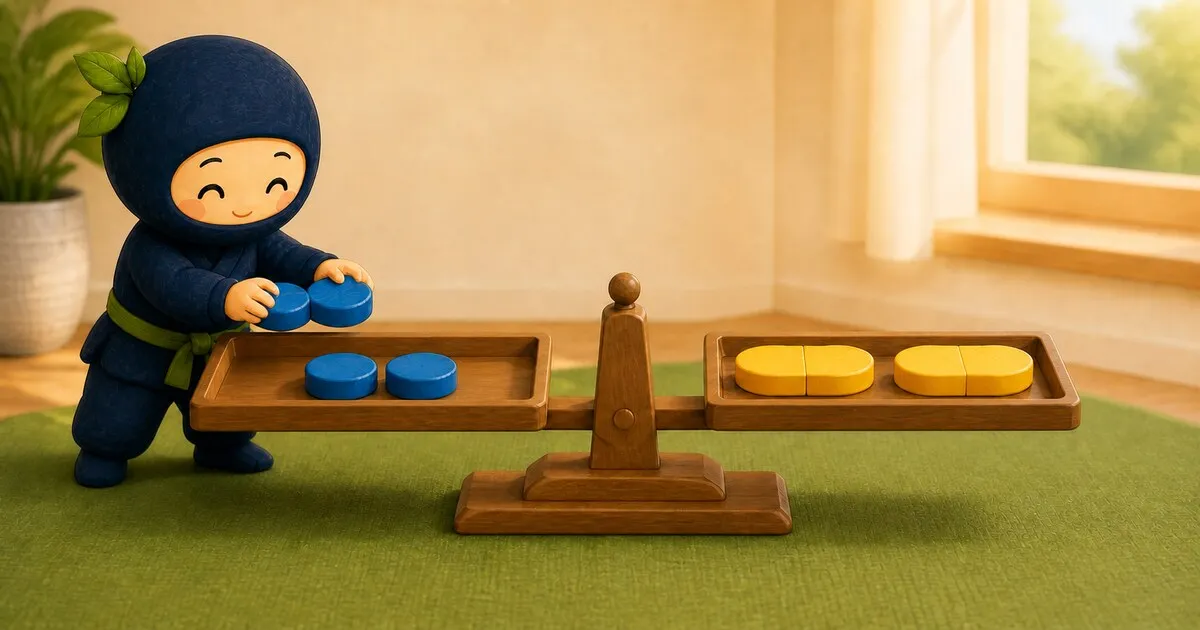
  1. Lesson 1 How to solve one-step equations Undo the change to the missing number. Make the same change on both sides to keep the equation true. Not started
  2. Lesson 2 Solve equations when x changes position Work out what x stands for before choosing the step. A starting amount and an amount taken away play different roles. Not started

Functions

Refresh the meaning, calculate a few values and connect each function family to its graph.

  1. Linear functions · Lesson 1 Read a linear graph from its start and rate A straight-line rule has a starting value and a fixed change per step. Those two clues help you pick its graph. Not started
  2. Quadratic functions · Lesson 2 Recognise a quadratic rule and its curve A square rule gives matching heights on either side of its middle. Use that pattern and the turn to check the graph. Not started
  3. Exponential functions · Lesson 3 Spot growth that multiplies each step Adding the same amount and multiplying by the same factor can look alike at first. A third value can reveal the difference. Not started
  4. Logarithmic functions · Lesson 4 Find the missing power with logarithms A logarithm finds a missing power. Four rounds of doubling turn one point into sixteen, so log₂(16) = 4. Not started
  5. Sine and cosine · Lesson 5 Understand sine and cosine with one circle Sine follows a point’s height around a circle. Cosine follows its left-right value. Plot those values through a turn to make two waves. Not started
  6. Tangent · Lesson 6 Why tangent graphs have gaps Tangent compares how far up and across a direction goes. Divide the height by the left-right value. A straight-up aim has no width, so its graph has a gap. Not started

Vectors

Describe movement, combine directions and calculate useful distances and alignment.

  1. Lesson 1 Describe a move with a vector A point tells you where something is. A vector tells you how to move. Subtract start from target to find that change. Not started
  2. Lesson 2 Add and subtract vectors one part at a time Add matching parts to join moves. To undo a move, reverse both of its parts and add that reverse. Not started
  3. Lesson 3 Scale or reverse a vector Multiply both parts by the same number to resize a move. A minus sign also turns it around. Not started
  4. Lesson 4 Find a vector's straight-line length The direct distance is shorter than a route along two sides. A right triangle links that length to the two parts of a vector. Not started
  5. Lesson 5 Use a dot product to compare directions A dot product gives one number. Its sign tells whether a target lies ahead, to the side or behind a facing direction. Not started
A simple way to get better

Use each lesson as part of a short cycle. You do not need to finish everything at once.

Learn one useful method

Start with a clear example and understand why the method works.

Use it with fresh questions

Open the matching activity and try the method while you play.

Check what feels easier

Look at your answers and notice which calculations still slow you down.

Come back for the next step

Short, repeated practice helps the method become familiar.